
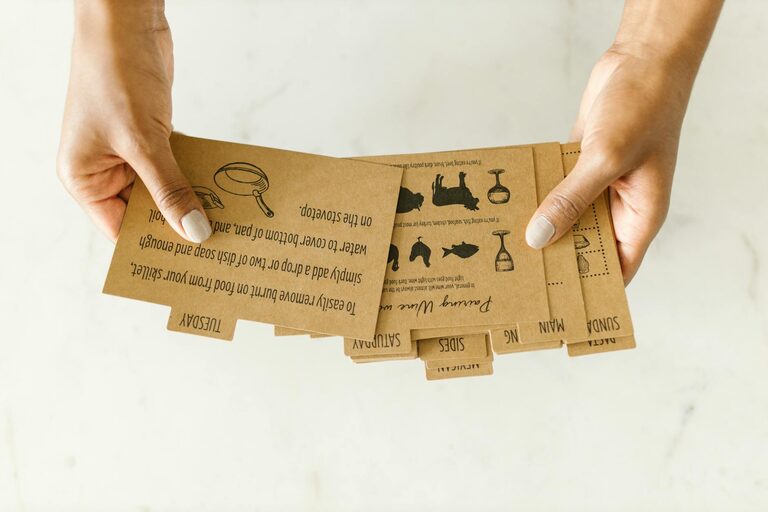
Creating a weekly meal plan can seem like a daunting task, especially if you’re new to organizing your meals ahead of time. However, with a simple approach, meal planning can become a helpful routine that makes your week run more smoothly, reduces food waste, and promotes healthier eating habits. In this post, we’ll explore clear steps to create a simple weekly meal plan that fits your lifestyle, no matter your cooking experience.
Why Create a Weekly Meal Plan?
Before diving into the how-to, let’s quickly touch on the benefits of meal planning:
– Saves time: Planning meals reduces last-minute decisions and minimizes trips to the grocery store.
– Reduces stress: Knowing what you’ll eat each day takes the guesswork out of mealtime.
– Improves nutrition: Planning ahead allows for balanced meals with a variety of foods.
– Cuts food waste: Buying only what you need helps prevent unused groceries from spoiling.
– Saves money: Avoiding impulse buys and eating out less often benefits your budget.
Step 1: Assess Your Schedule and Needs
Start by looking at your upcoming week to understand how much time you can dedicate to cooking.
– Check your calendar: Are there busy days when you’ll need quick meals? Any social events or dining out plans?
– Determine meals to plan: Will you plan all three meals—breakfast, lunch, and dinner—or focus on just one or two?
– Consider family preferences: Include any dietary needs, allergies, or preferred cuisines.
Having this information upfront helps you tailor the plan realistically.
Step 2: Choose Your Meals
Keep it simple and realistic by selecting meals that you enjoy and can prepare within your schedule.
– Start with favorite recipes: This increases the chance you’ll stick to your plan.
– Incorporate leftovers: Plan meals that can be easily doubled and saved for another day.
– Balance nutrition: Aim for a good mix of protein, vegetables, grains, and healthy fats.
– Batch cooking options: Consider recipes that can be made in bulk, such as soups, casseroles, or grain bowls.
If you need inspiration, many websites and apps offer free weekly meal plans you can customize.
Step 3: Make a Meal Plan Template
Create a simple chart or table to organize your meals by day and meal time.
| Day | Breakfast | Lunch | Dinner |
|———–|——————–|——————–|———————|
| Monday | Oatmeal with fruit | Chicken salad wrap | Spaghetti with meat sauce |
| Tuesday | Yogurt and granola | Leftover spaghetti | Stir-fried vegetables and rice |
You can use paper, a whiteboard, a spreadsheet, or a meal planning app—whatever works best for you.
Step 4: Write a Grocery List
Once you have your meals planned, write down all the ingredients you’ll need.
– Check your pantry first: Avoid buying items you already have.
– Organize your list: Group items by category such as produce, dairy, meat, and pantry staples to speed up shopping.
– Consider portion sizes: Estimate how much of each item you need based on the number of servings.
A well-organized grocery list streamlines shopping and helps prevent impulse purchases.
Step 5: Prep Ahead When Possible
Dedicate some time after grocery shopping or on a free day to prep ingredients.
– Wash and chop vegetables: Store them in clear containers for easy use.
– Cook grains or proteins in advance: Having these ready shortens mealtime prep.
– Portion snacks or meals: Keep meals or snacks in single-serve containers for grab-and-go convenience.
Meal prep can reduce daily cooking time and make sticking to the plan easier.
Step 6: Stay Flexible and Adapt
Life happens, so don’t stress about sticking to your plan perfectly.
– Swap meals as needed: If you’re short on time one day, move a quicker meal from another day.
– Use leftovers creatively: Turn last night’s dinner into a new meal with simple additions.
– Evaluate and improve: After a week, consider what worked and what didn’t, and adjust for the next week.
Flexibility makes meal planning sustainable and enjoyable.
Bonus Tips for Simple Meal Planning
– Keep staple ingredients on hand: Items like canned beans, frozen vegetables, and rice can be lifesavers.
– Use one-pot or sheet-pan meals: These require less cleanup and save time.
– Include some convenience foods: Pre-washed salad greens or rotisserie chicken can simplify meal prep.
– Cook with family or housemates: Sharing cooking duties can make meal prep more fun and faster.
Conclusion
Creating a weekly meal plan doesn’t have to be complicated. By assessing your schedule, choosing meals thoughtfully, organizing your plan, and prepping ahead, you can make mealtime easier and more enjoyable. Remember to stay flexible and keep it simple—meal planning is a tool to help you, not another chore. Give it a try next week, and you might be surprised at how much more relaxed and organized your mealtime routine becomes.
Happy cooking!
